Prospect Drivers Rely on Us for Fast, Damage-Free Vehicle Entry
Car lockouts tend to feel like freak accidents, but most happen for a predictable set of reasons. Auto-locking doors have made the problem more common in recent years — a quick stop to grab something from the boot, or stepping out while the engine is still running, can result in a locked car faster than most people anticipate.
Why Car Lockouts Happen So Often
Auto-locking mechanisms on modern vehicles mean a door can lock itself the instant it closes, without any deliberate action from you.
Distracted exits — juggling bags, kids, or a phone call while getting out of the car is a common lead-up to a locked-key situation.
Worn or damaged keys are more prone to snapping, particularly older keys that have been cut and recut over the years.
Dead or faulty key fobs, whether from a flat battery or an internal fault, can leave a modern vehicle effectively inaccessible.
Lost keys during shopping trips, gym sessions, or outings are a frequent cause, especially when there’s no spare readily available.
What Not to Do During a Car Lockout
The instinct to force a door, try a coat hanger through the window seal, or push something through a gap in the door frame is understandable but consistently produces worse outcomes than simply calling for professional help.
Forcing a door or window risks bending the frame, damaging weather seals, or triggering the alarm system in ways that complicate things further.
DIY slim jim or wedge attempts can scratch door panels, damage internal wiring, and in modern vehicles, interfere with electronic components close to the door edge.
Attempting to access through the boot or sunroof creates potential for panel damage and doesn’t always provide a viable entry route anyway.
Checking all doors for an unlocked entry point is always a sensible first step. Beyond that, professional entry is reliably faster, safer, and cheaper than dealing with the damage improvised methods tend to cause.
How Professional Car Lockout Entry Works
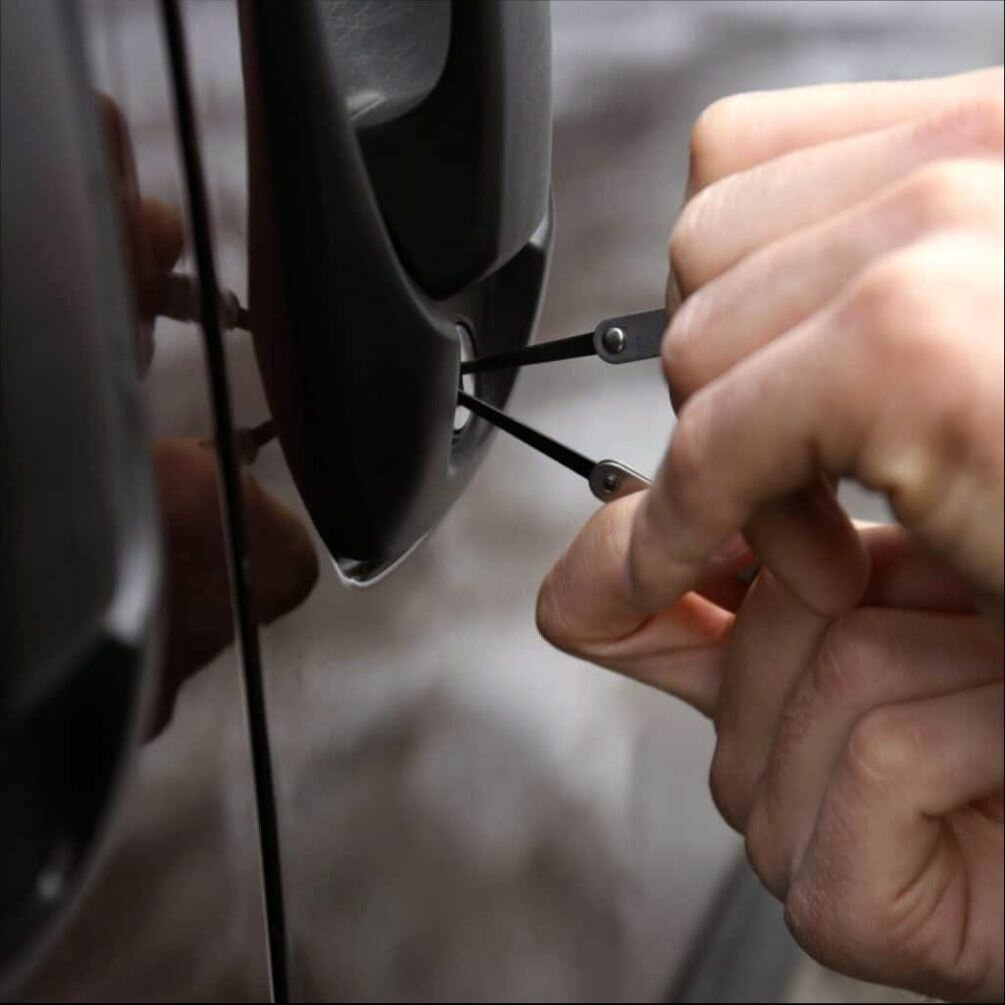
Professional car lockout technicians use tools designed specifically for vehicle entry — not improvised household items. The process begins with a quick assessment of the vehicle make, model, and lock type, since different vehicles require different approaches. Older vehicles with traditional mechanical door locks can typically be accessed quickly using standard entry tools. Newer vehicles with electronic locking systems, side airbags close to the door frame, or reinforced seals require more careful technique and specific tools matched to that vehicle’s construction. An experienced technician makes this assessment automatically and selects the right approach before starting — rather than trying methods until one works.
Car Lockout Situations We Handle
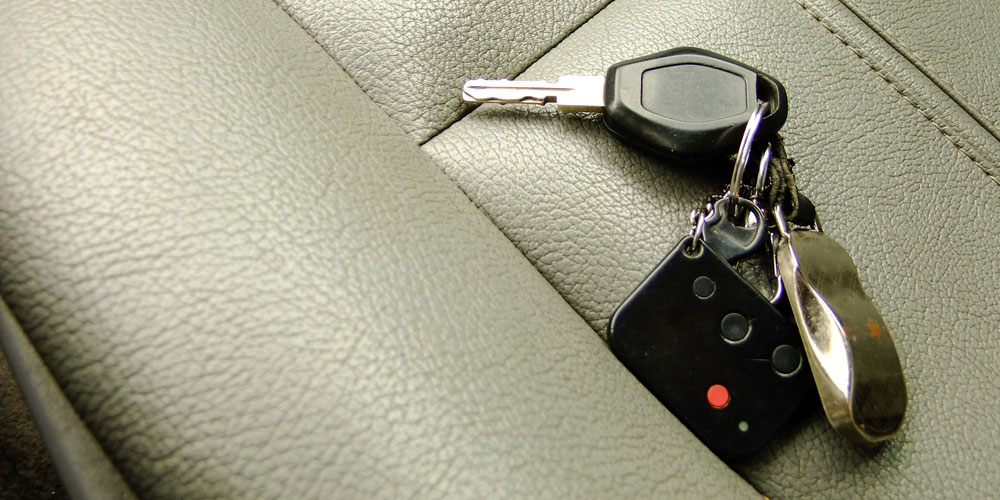
Keys locked inside the cabin — the most common scenario, resolved using non-destructive entry tools matched to the vehicle.
Lost keys with no spare — entry provided along with guidance on replacement key options for your specific vehicle.
Broken key in the door lock — professional extraction of the broken fragment without damaging the cylinder or keyway.
Broken key in the ignition — careful removal to restore ignition function and prevent further internal damage.
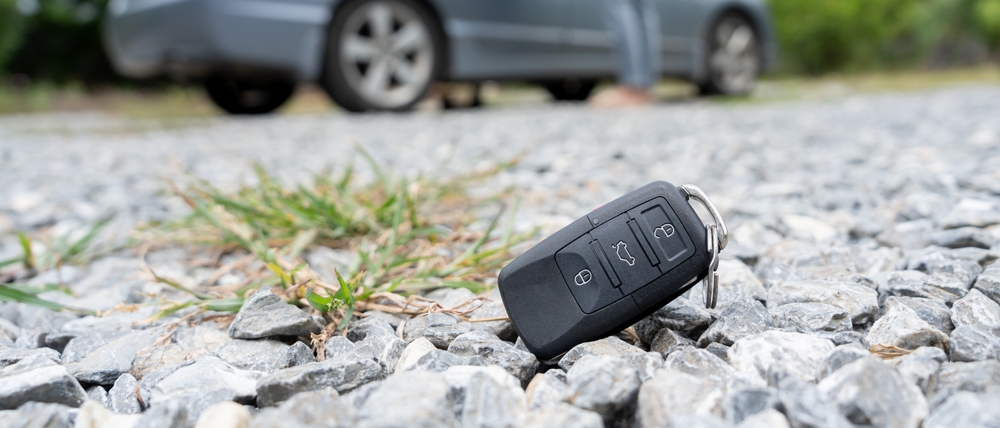
Malfunctioning key fob — on-site diagnosis and appropriate access solution, with advice on fob repair or replacement.
Faulty door lock mechanism — assessment of whether the lock itself is preventing entry and appropriate repair or bypass.
Why Response Time Genuinely Matters
Being locked out of a vehicle in a familiar location during daylight is inconvenient. Being locked out on a roadside, in an unfamiliar area, at night, or in poor weather is a different level of situation entirely. Fast response isn’t just about reducing frustration — in the wrong circumstances, it’s a genuine safety consideration. We operate with this in mind, particularly for after-hours calls where waiting isn’t just inconvenient but genuinely uncomfortable.
Reducing the Risk of Future Car Lockouts
Keep a spare key in a secure, accessible location — with a trusted household member or in a secure storage solution — so a single lockout doesn’t leave you completely without options.
Check the key fob battery periodically, replacing it before it fails completely to prevent electronic lockouts that can be harder to resolve quickly.
Build a habit of checking for keys before closing the door, particularly when exiting quickly or with hands full.
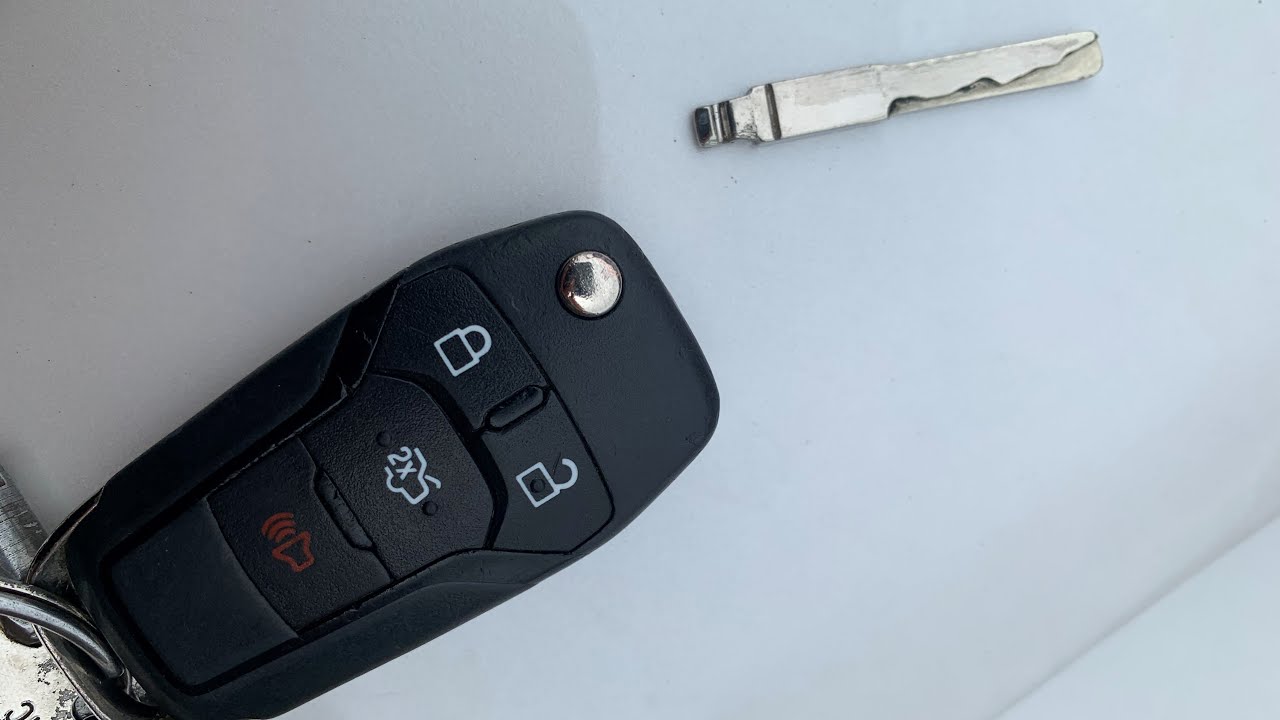
Know your vehicle’s manual override options — many modern vehicles have a physical key embedded in the fob for emergency access.
Back in Your Vehicle, Back on the Road
A car lockout is a solvable problem. With the right service on the line, the gap between being stranded and being back on the road is typically shorter than most people expect when they’re standing outside a locked vehicle. Fast response, the right tools, and genuine experience with your vehicle type — that’s what turns a stressful situation into a resolved one.